$15–30 / month forever
- Same tote bag template as 1,000 other shops
- Centered product on white, reads as catalog
- Subscription that auto-renews every month
- Manual scene swap every shoot
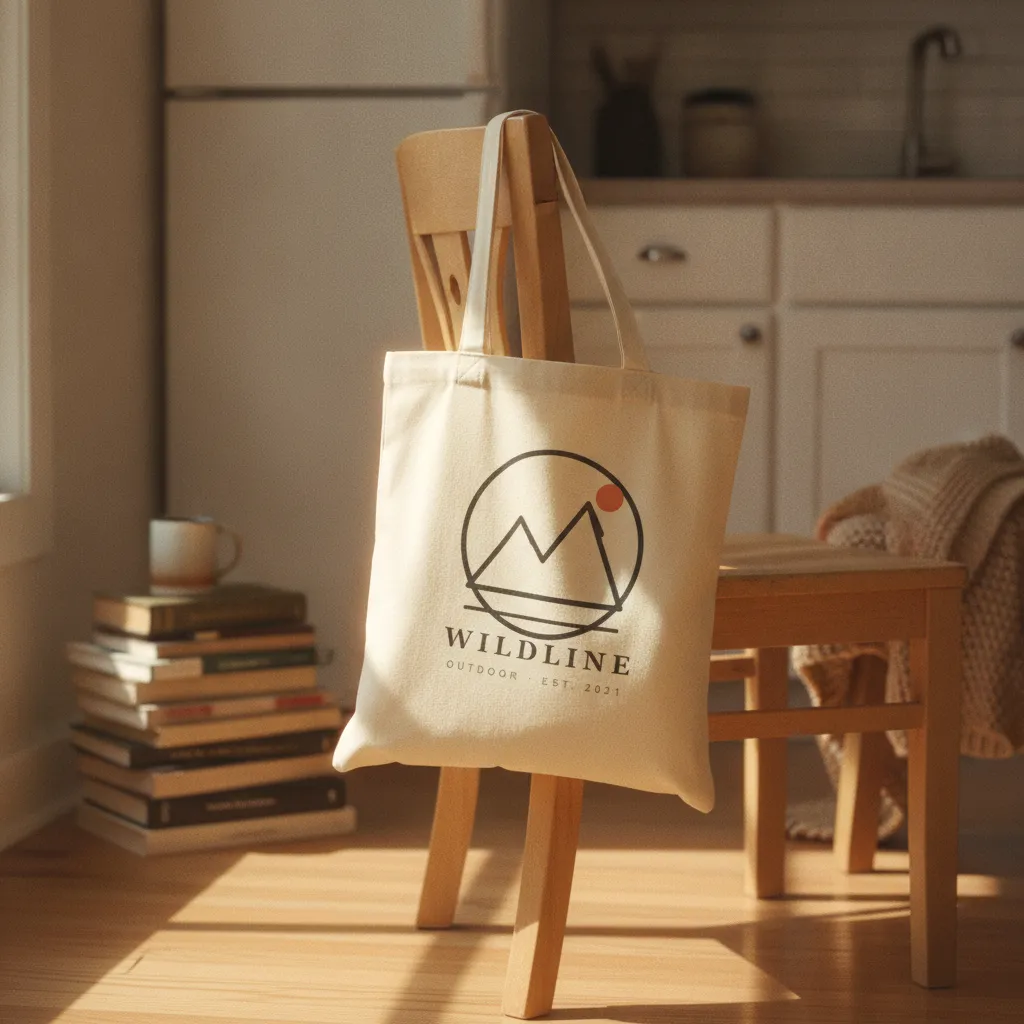
Tote bag photos that look photographed, not Photoshopped. Drop a design, get 5 lifestyle scenes ready for Etsy — farmers market, cafe table, studio flatlay, cozy interior, morning light.
Try free on your tote bag design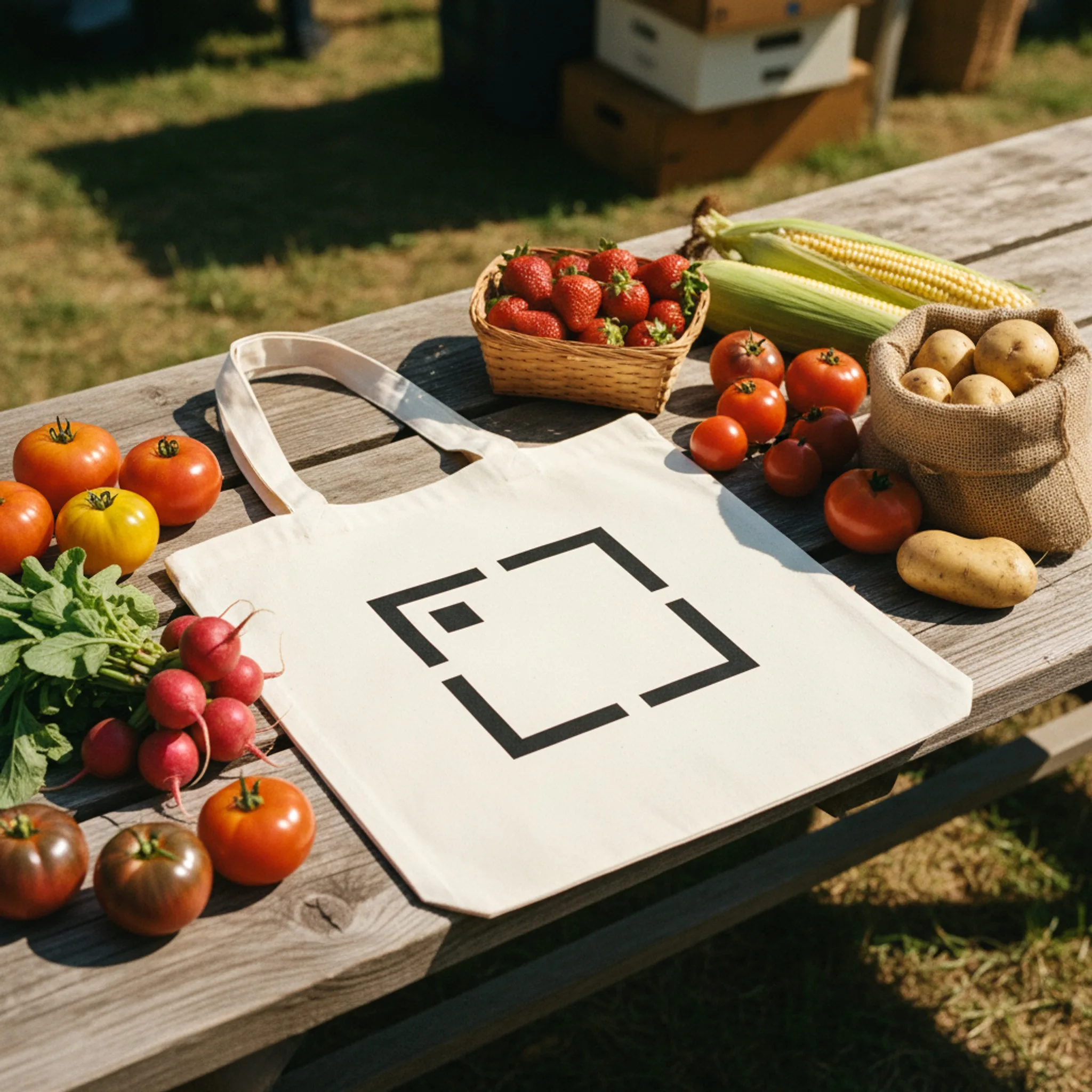
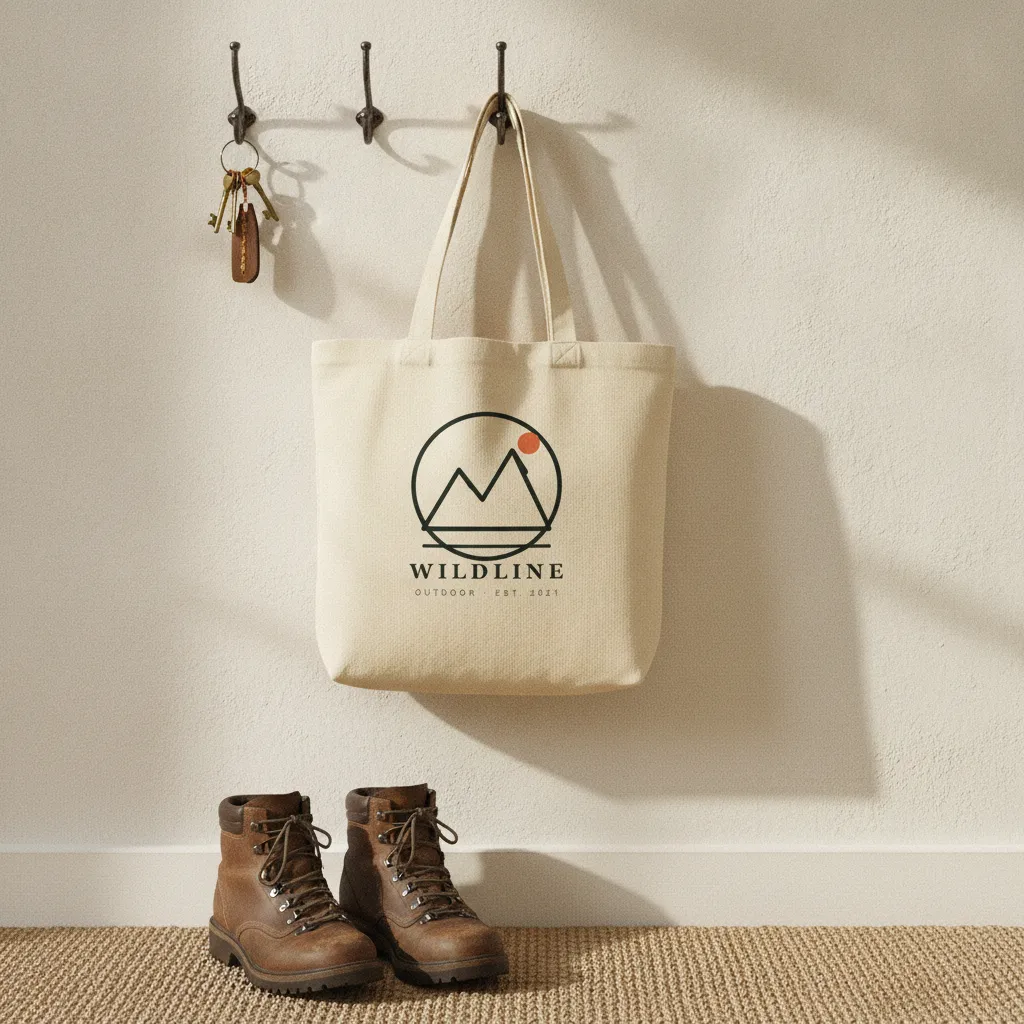
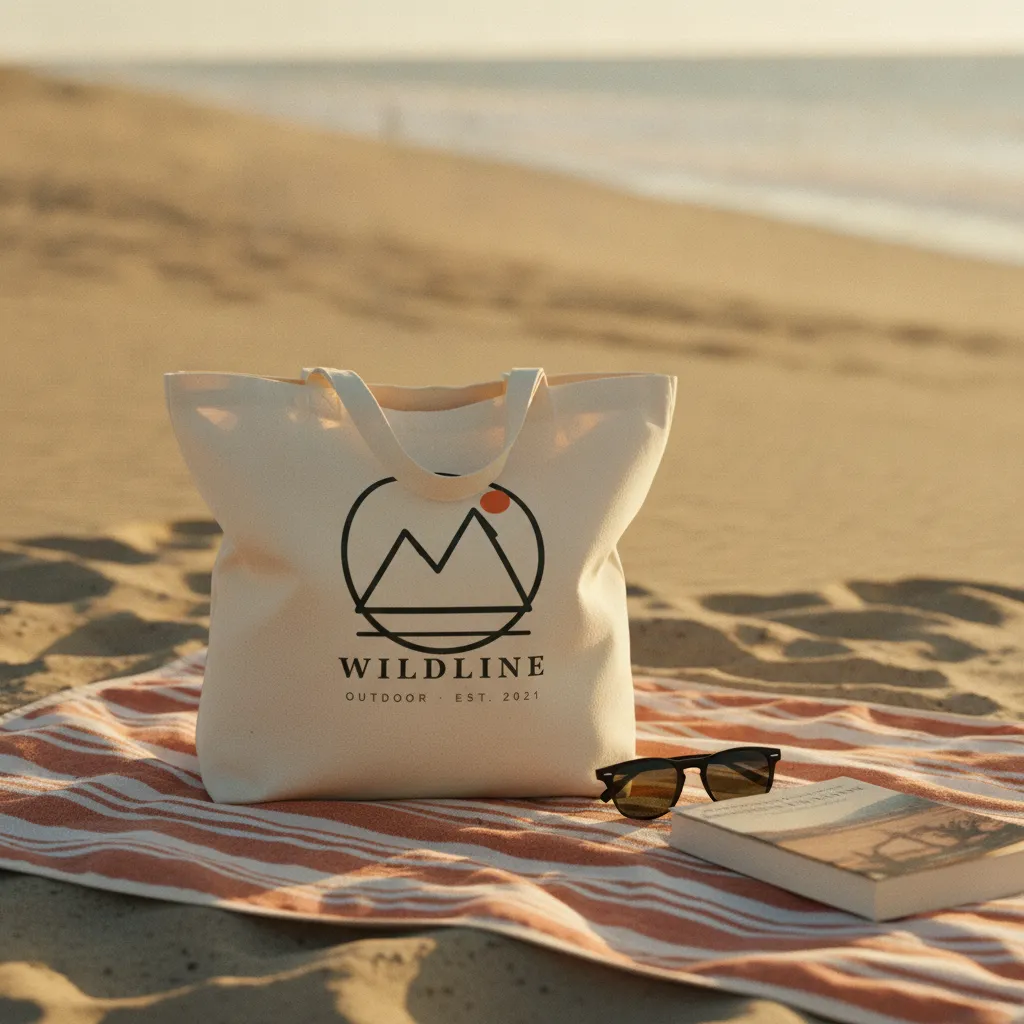
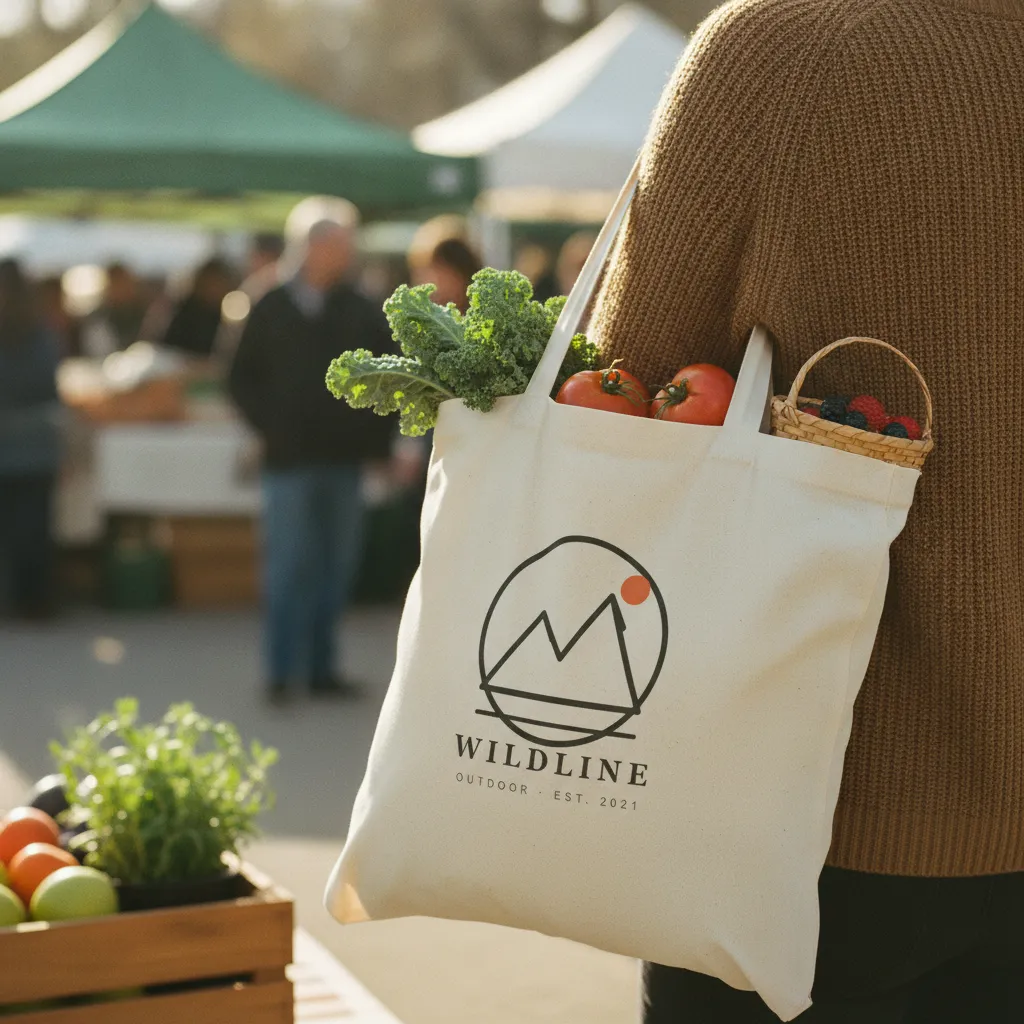
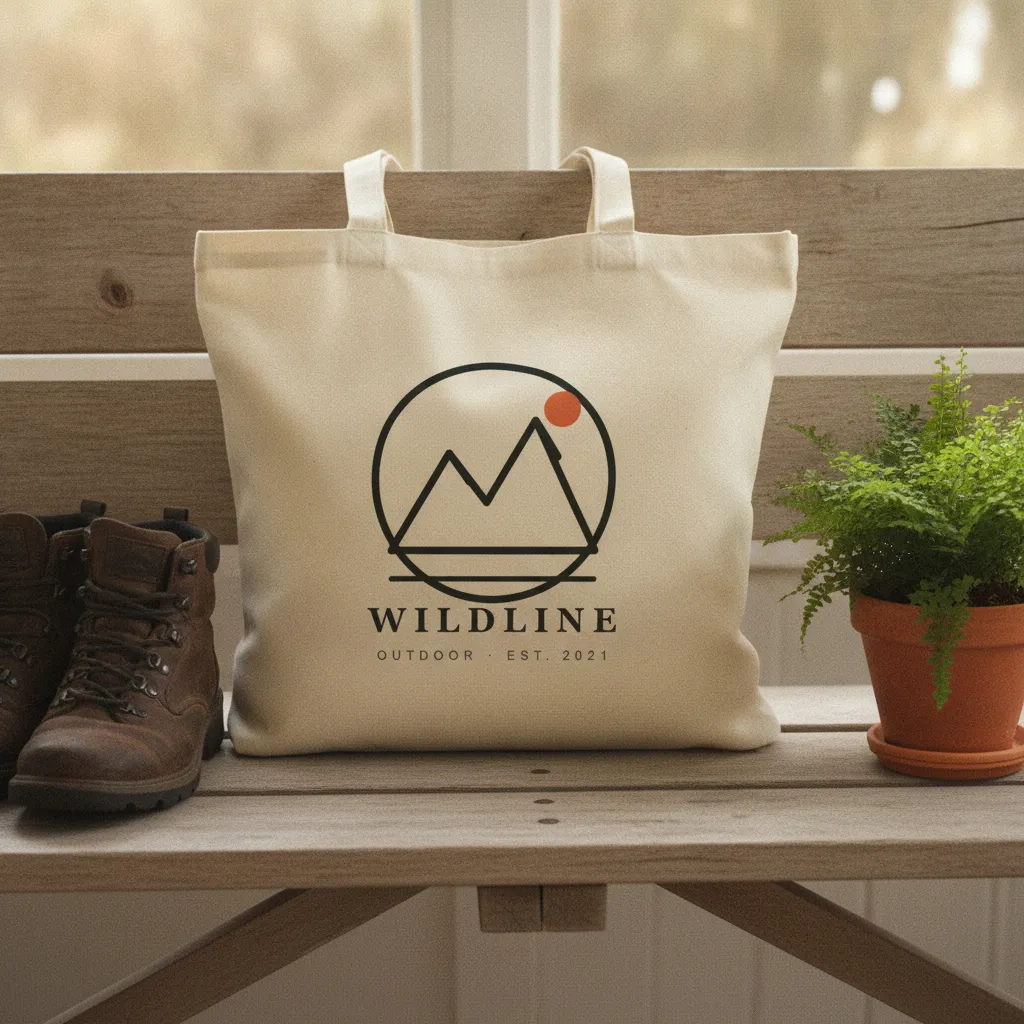
Upload one tote bagdesign and Hauld returns 5 lifestyle scenes — cropped, color-graded, ready for your listing carousel. The examples below are real Hauld renders on a sample design.
Nobody scrolls Etsy hunting for a blank cotton bag. They're picturing the version of themselves who carries it - to the market on a Saturday, to the co-op, to a friend's for coffee. A flat cutout on white can't carry that. It shows a shape and a print and asks the buyer to do the imagining. Most won't bother.
A lifestyle photo does the imagining for them. When your tote is slung over a shoulder with a baguette poking out, or sitting open on a cafe chair, the buyer stops evaluating a product and starts seeing a scene they want to be in. That's the difference between "nice print" and "add to cart."
It also answers the boring questions that otherwise turn into a message or a return. A bag shot in a real hand shows how big it is, how the straps sit, how the print reads from across a room. Answer that in the carousel and the sale closes faster.
Template mockups treat a tote like a flat billboard. They drop your artwork onto a smart-object rectangle, and the giveaway is everywhere: the print stays dead straight while the fabric behind it clearly folds, the weave doesn't run through the ink, and the handles hang like they were drawn with a ruler. It reads as a sticker on a bag, not a bag.
Hauld builds the tote from scratch every time on Gemini 2.5 Flash Image, so your design sits on the surface instead of floating above it. The cotton-canvas weave shows through the print the way real screen ink does. And that soft slump a tote takes when it hangs off a hook or sags with a bit of weight bends the artwork with it, so the print creases and catches light exactly where the cloth does.
Placement is the other tell. A print blown up edge-to-edge warps around the seams and looks fake fast. We keep the design in the spot it was made for, roughly the middle 40 to 60 percent of the bag face, sitting flat where a real screen print would land. And it stays pixel-faithful: the AI reproduces your artwork as-is and never adds a leaf, a texture, or an icon your file didn't contain.
Upload the same flat artwork you'd send a printer - a PNG or SVG on a transparent background, sized so the design fills about half the bag face. Skip the pre-warped or pre-shadowed versions; Hauld renders the fold, weave, and drape itself, so a clean flat file gives the cleanest result. One design per batch, so if you sell a double-sided tote, run the back as a second haul.
The five scenes fill an Etsy or Shopify carousel without you shooting a thing. Lead with the farmers-market or cafe shot as your thumbnail - the one that sells the moment - then follow with the studio flatlay so the print reads flat and true, plus the cozy-interior and morning-light frames for buyers who want a few angles before they commit. That spread covers both "what's it look like in real life" and "what does the print actually look like" in one scroll.
Run the free watermarked preview on your actual design before you pay a cent. If one of the five doesn't land, regenerate that single photo - up to five per haul - instead of redoing the batch. Credits are one-time and stack, so a $7 pack of 15 covers a few listings' worth of totes with room to test.
Yes — the AI renders the tote each time with the design printed on the canvas, including the natural fabric texture and slight drape.
One design per batch. For double-sided, run a second batch with the back design.
2048px JPG, around 600 KB each. Plenty for Etsy carousels and ads.