$15–30 / month forever
- Same canvas print template as 1,000 other shops
- Centered product on white, reads as catalog
- Subscription that auto-renews every month
- Manual scene swap every shoot
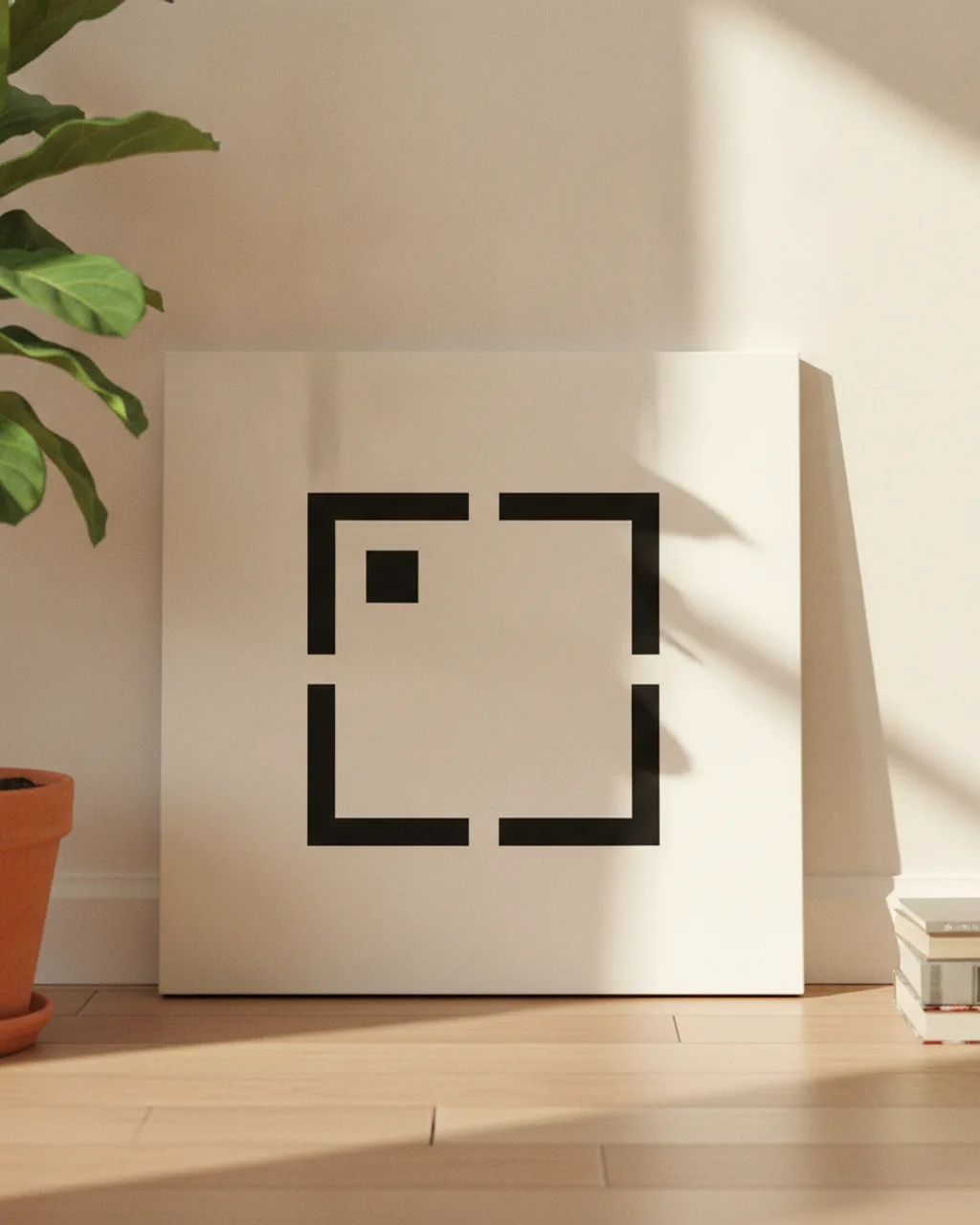
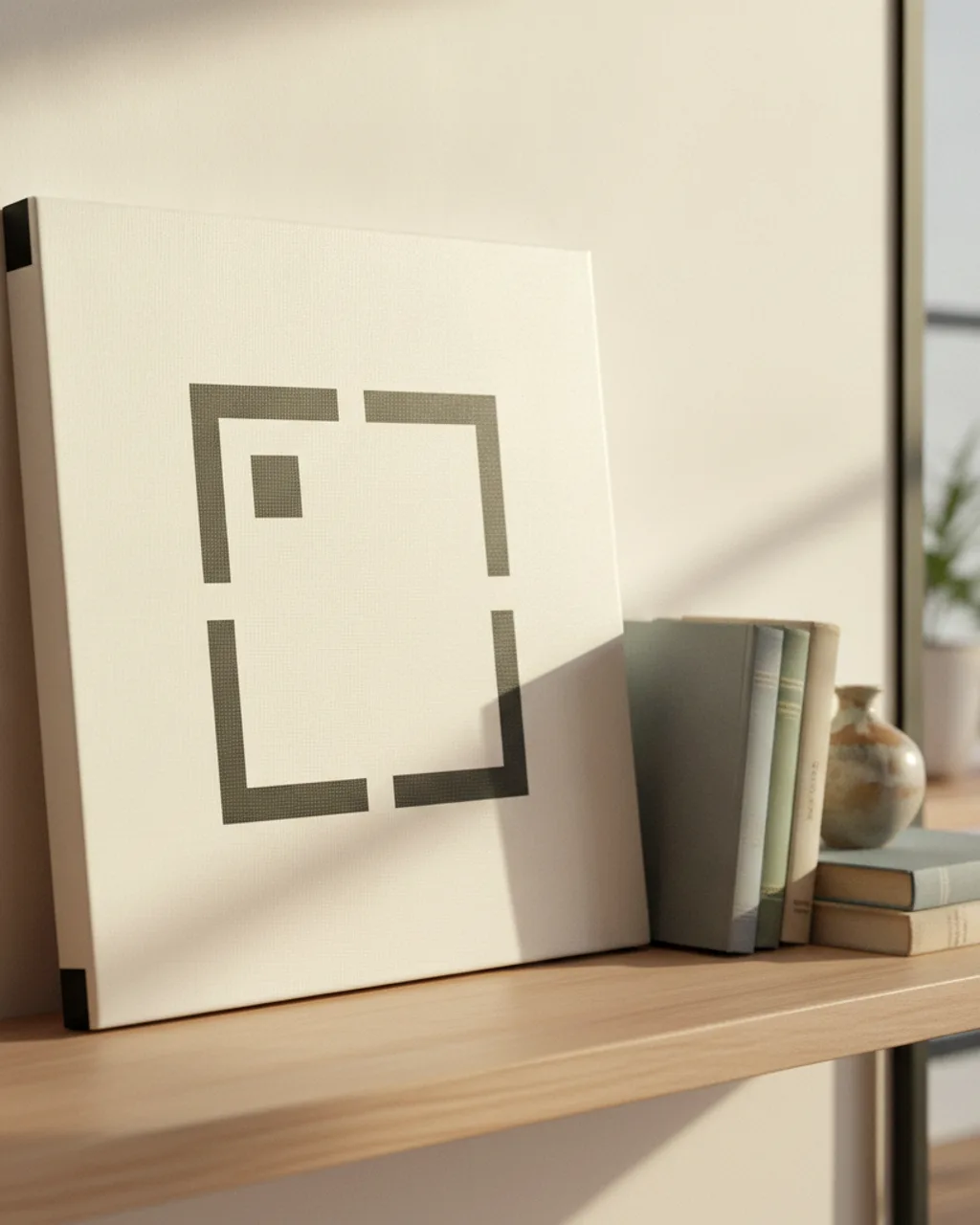
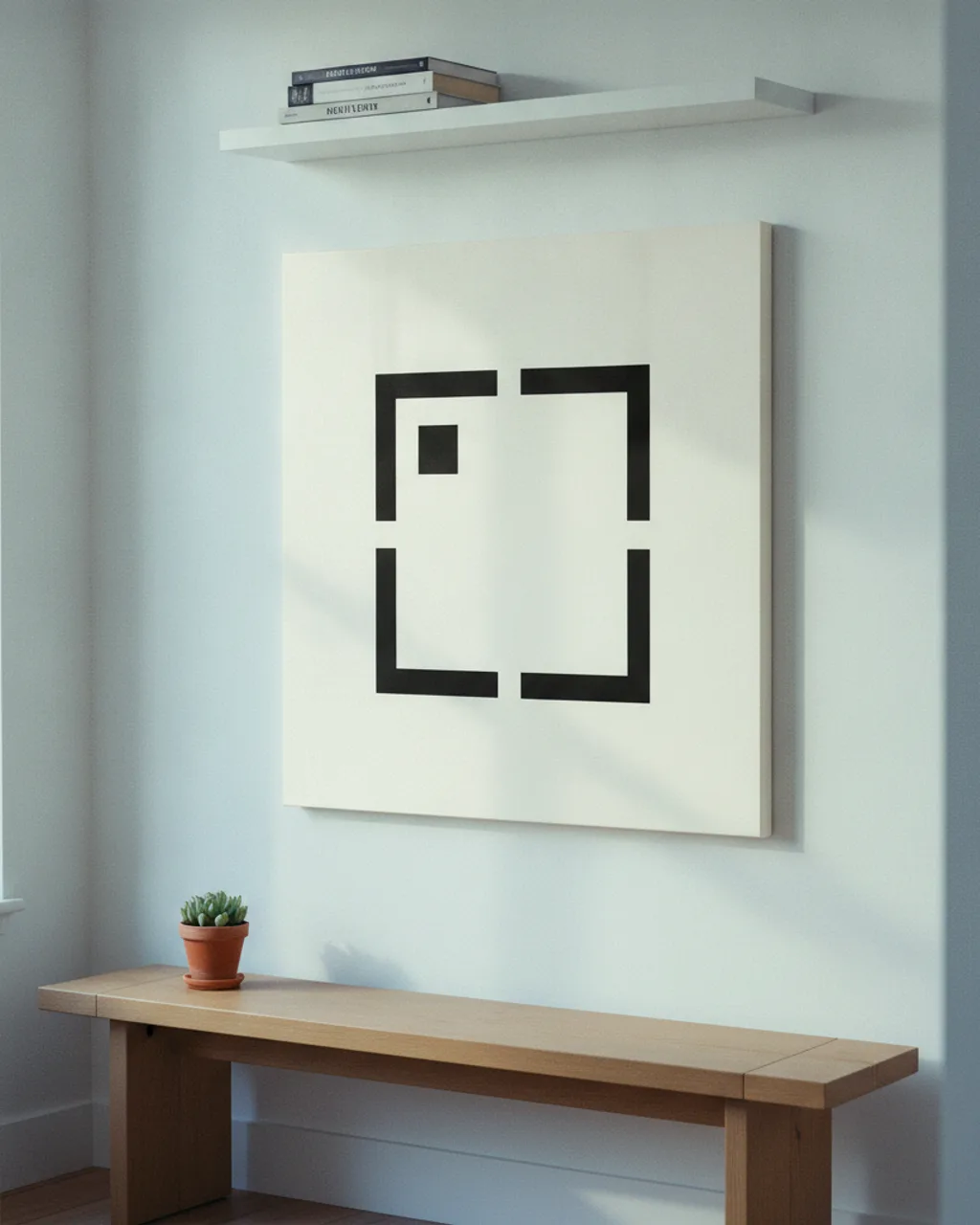
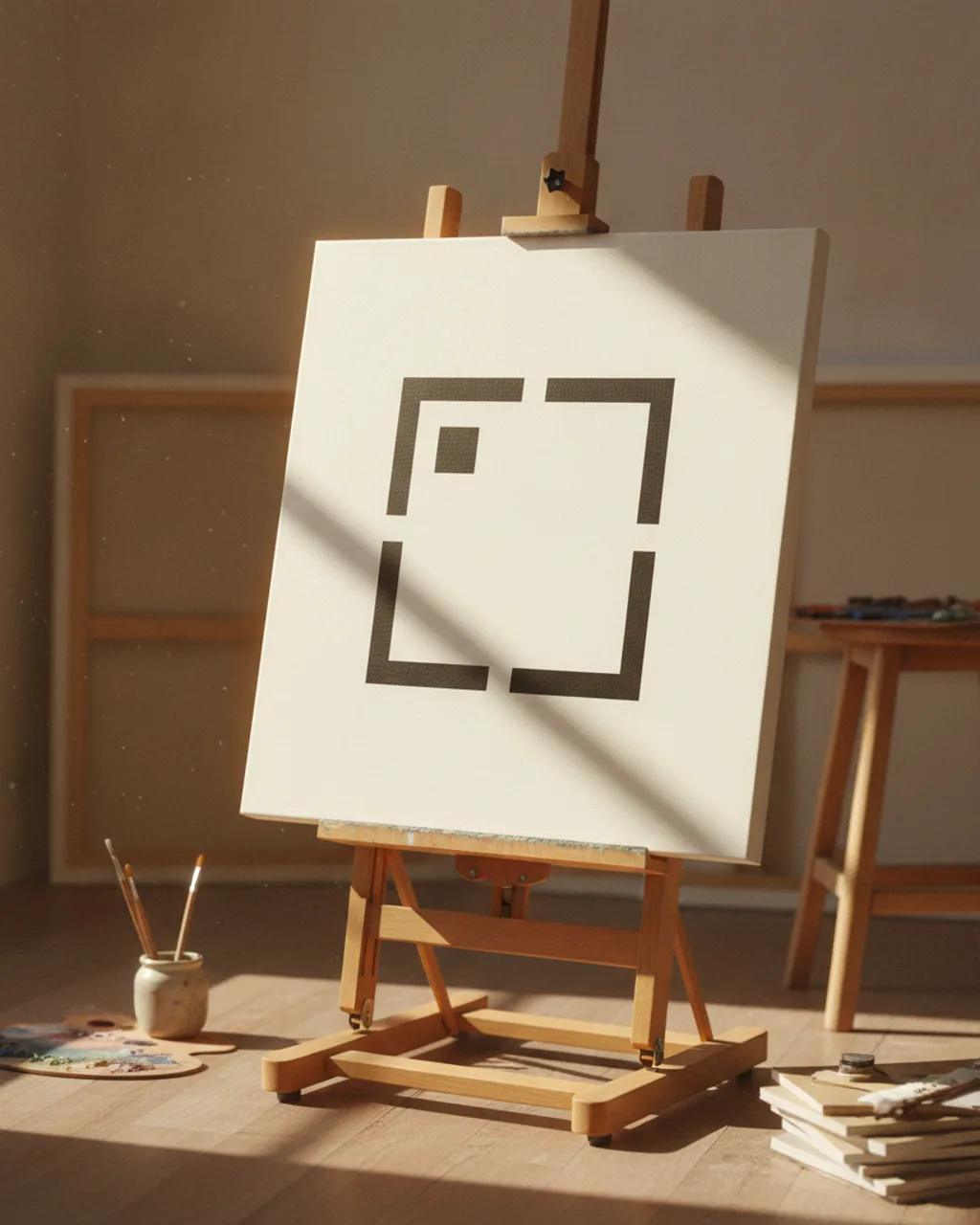
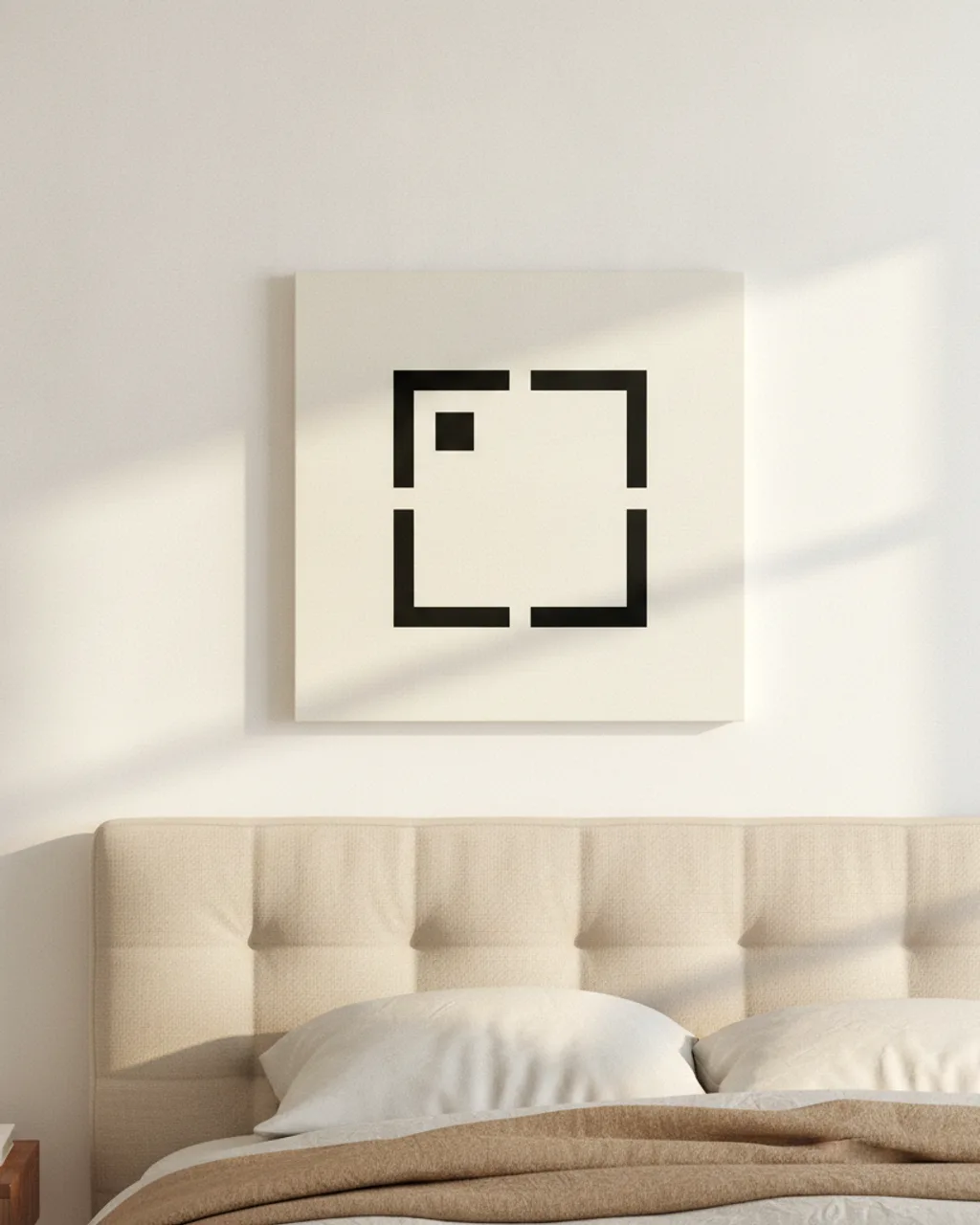
Canvas print photos have to show thickness, wall scale, and room context. Hauld renders your artwork on gallery-wrapped canvas in 5 scenes - living room floor, wooden shelf, hallway bench, studio easel, bedroom - so buyers can picture the piece in a real space.
Try free on your canvas print design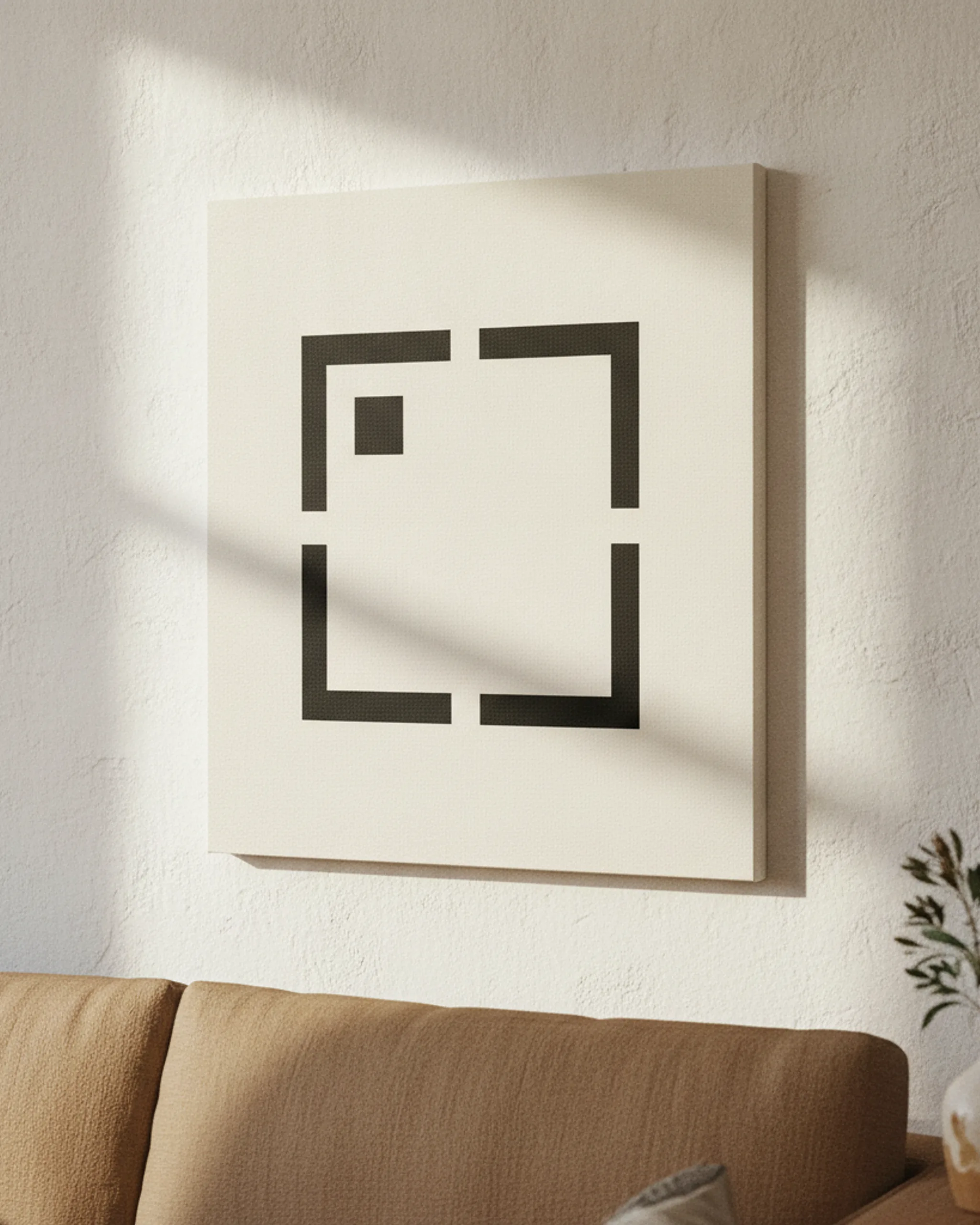
Upload one canvas printdesign and Hauld returns 5 lifestyle scenes — cropped, color-graded, ready for your listing carousel. The examples below are real Hauld renders on a sample design.
A canvas print is not just the artwork. It is an object on a wall, with thickness, shadow, and a relationship to the furniture around it. A flat crop of the art cannot show whether the piece feels right above a sofa, beside a plant, on a shelf, or over a headboard. Buyers have to guess, and guessing slows down the sale.
A good canvas mockup makes the room answer those questions. The wall gives scale, the side edge shows depth, and the lighting makes the print feel like it belongs in a real interior. That is especially important for Etsy wall art, where the buyer is trying to solve an empty-wall problem from a small listing thumbnail.
The goal is not to hide the artwork in decor. The goal is to make the artwork feel physically present, with enough surrounding context that someone can imagine it in their own space.
Posters and canvas prints are both wall art, but their mockups should not be interchangeable. A poster can have paper grain, a mat, glass, tape, or a frame. A gallery-wrapped canvas should show a thick stretched edge, matte woven texture, and a print that continues around the side. If a canvas image looks like framed paper, the product promise gets muddy.
Hauld prompts canvas as a wrapped object with no picture frame. The image is rendered on matte canvas texture, stretched over a hidden frame, with visible side depth and a wall shadow. That gives the buyer cues a flat art preview cannot give: thickness, scale, and how the piece sits in a room.
This is also why the canvas page has its own render folder instead of borrowing poster images. The photos need to prove the product is canvas, not just wall art in general.
Upload the artwork at the ratio you sell and keep important details away from the extreme edge. Wrapped canvas can continue the print around the side, and that edge treatment looks best when the border has enough image area to bend without cutting off a critical word or focal point. If you sell mirrored or solid-color edges, include that in the design name for clearer prompt steering.
Use the five scenes to cover different buyer contexts. A sofa hero shows scale, a leaning-floor shot feels casual and inspectable, a shelf frame works for smaller art, and the bedroom or hallway scenes show where the piece might actually live. The studio easel image is useful when the shop wants a more artist-made feel.
For listing order, lead with the room that best matches your buyer's likely space, then keep one closer canvas image for texture and edge depth. That combination does more work than a single clean artwork crop.
Canvas pages are prompted for gallery-wrapped canvas with visible side depth and no picture frame. Use the poster mockup page when you want framed or paper print scenes.
The canvas prompt asks for the print to continue around the side edges, with matte woven texture and realistic wall shadows.
Upload the artwork at the ratio you sell. Square and portrait canvas art both render well as long as the important content is not pushed to the extreme edges.